In the morning, the alarm goes off early—very early… It has to, so I can get everything done that I need to do during the day, and do it as well as possible.
Before the first workout, I make breakfast, which consists mainly of a bowl of oatmeal. I also have a sandwich, eggs, coffee, and juice, but the side dishes vary depending on what’s on the training schedule. Everything is carefully planned. Even though I’m young, I’ve been doing this for a long time, and I don’t have to think about it too much. I just do it. If I’m doing a tough speed workout with intervals, there’s a greater focus on carbohydrates, while a long run requires more protein and fat to maintain energy throughout the entire session.
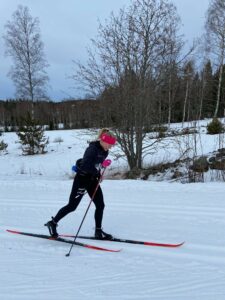
“After the first workout, it’s time to recover—to let your body heal from the workout and recharge for the next one.”
Before I head out on my skis, roller skis, or to the running trail, I prepare for the workout by doing mobility exercises and some light strength training to activate the muscles I want to use for the activity at hand. Then comes the morning workout, which often consists of the day’s longer or more demanding session—such as a three-hour long ski out on the trail or various types of interval training. I do the most demanding session in the morning because it’s easier to stay focused, and my body has plenty of energy after a good night’s sleep and a hearty breakfast.
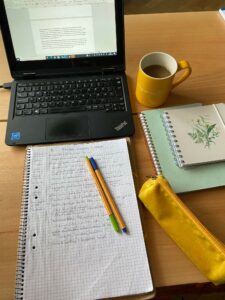
After the first workout, it’s time to recover—to help my body heal from the workout and recharge for the next one. To make my recovery as effective as possible, I try to consume some energy right after finishing my workout—such as energy bars or a recovery drink—and then I eat a good lunch when I get home. After lunch, I lie down in bed and sleep under my weighted blanket for a while. After my nap, I study for a bit while eating a small snack. Then I’m ready for session number two!
The second workout of the day is often a bit shorter and frequently includes strength training. About an hour of cardio combined with roughly 40 minutes of core and stability training is a typical afternoon routine following a longer or more intense morning session.
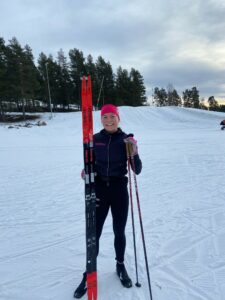
After the second workout, I have dinner and some free time. Then I usually finish off with one more meal: an evening snack. This is to make sure I have enough energy when I go to bed, so I don’t wake up feeling drained.
Then it starts all over again… sleep, eat, work out, eat, sleep, study, eat, work out, eat, sleep….
After each day of intense training, nutritious meals, and a good night’s sleep, I wake up a little stronger, a little more resilient, and a little faster than the day before. This balanced combination makes it possible and gives me the strength and energy to continue developing as an athlete.
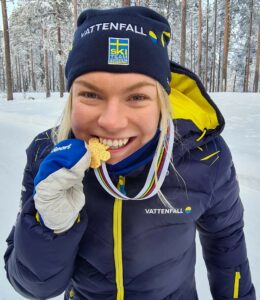
Moa Hansson after leading Sweden to a gold medal in the relay at the 2021 Junior World Championships in Vuokatti.
Text by Moa Hansson